The road home to the South of Norway took only 13 hours on quality Norwegian roads. And here my brain recalled such a historical event as the Battle of Poltava of 1709, when the army of Peter the First won a victory over the Swedish army of Charles XII. Of course these historical events we once studied at school and remember little, at any rate I, who was not particularly interested in history.
So only now I thought, how did Charles XII from Sweden get to Poltava with infantry and cavalry? First I asked my husband how? He thought and came out with: “well… by sea…” — “By which sea?” I asked. And he: “Sweden was always strong with its fleet!” — “Logical, but not quite,” I thought, and began to search on the computer who Charles XII was and why he made his way from distant Sweden to Ukrainian Poltava.
I will try to set it out briefly. Charles XII crowned himself at 15. From the age of 7 only men-tutors occupied themselves with his upbringing. He was handsome, well-built, physically strong. He was keen on hunting; when he was 11 he “went after bear”! From 17 he was forced to leave Sweden forever, to head the fleet and army in connection with the military threat of neighbouring states. He was younger than Peter I by exactly 10 years.
I think Charles’s aims were both defensive and aggressive. His first victory over Peter the First he won at Narva. And then Charles decided to advance further into Belorussia, and then into Ukraine and, through Poltava, to reach Moscow. But Petrusha too was “no fool of a fellow” and after the defeat at Narva applied the tactics of partisan war, that is he wore out the enemy, retreating he burned everything in his path, so as to leave the Swedes without provisions. And having reached Poltava, Charles with his army was greatly worn out and the result: about 10 thousand killed and 18 thousand wounded and taken prisoner. And so when Petrusha began to found a city on the Neva “to spite the haughty neighbour,” he used the labour of as many as 19 thousand Swedish prisoners of war! A pity for the people….
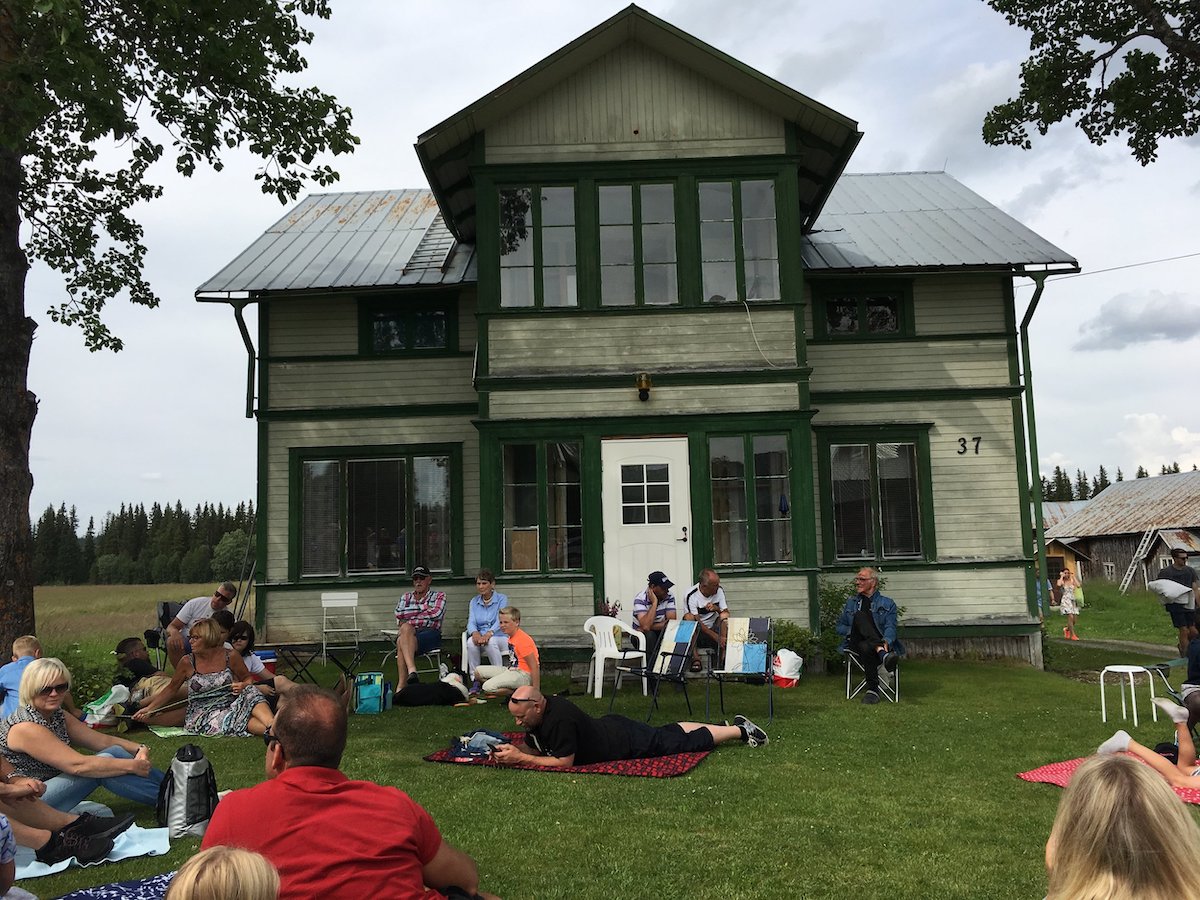 The large Swedish family gathered by the parental nest
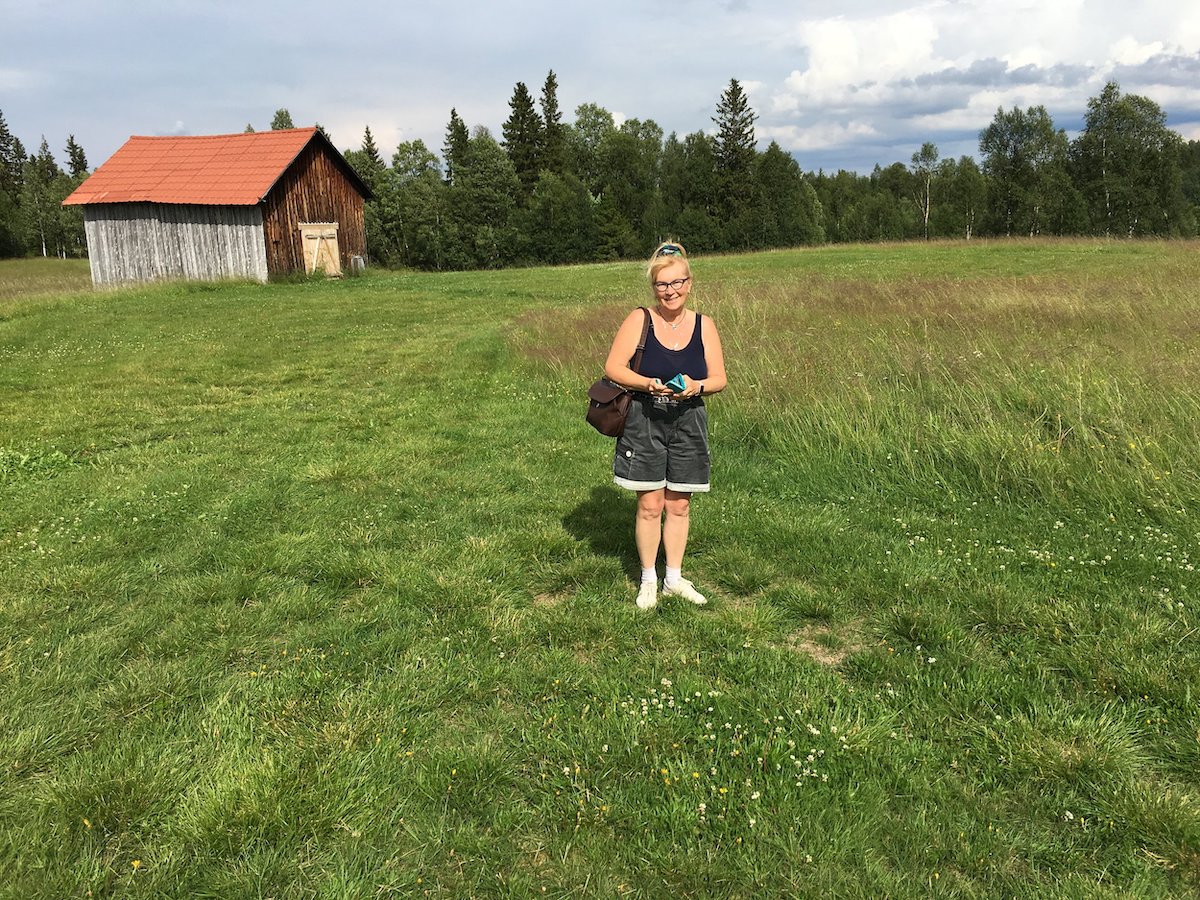 in the expanses of Sweden
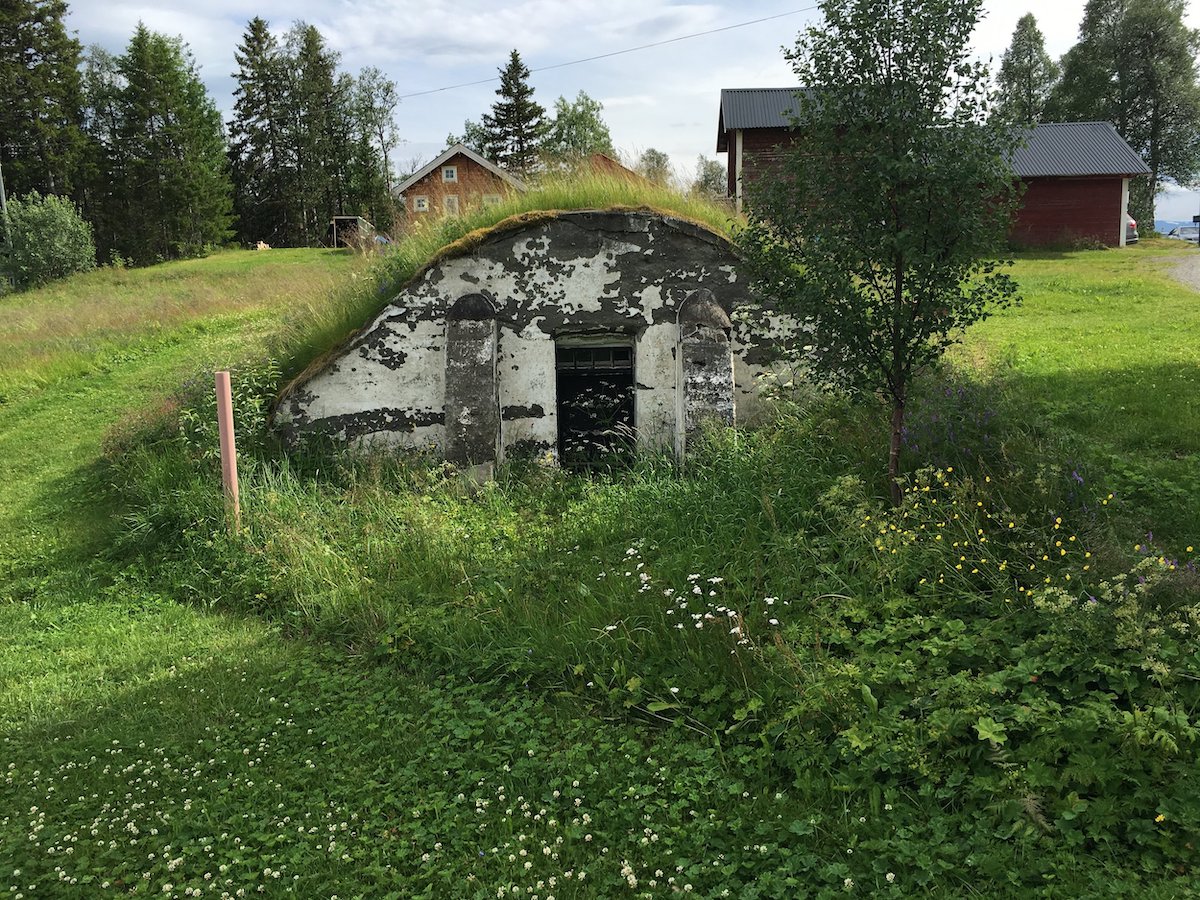 An old cellar
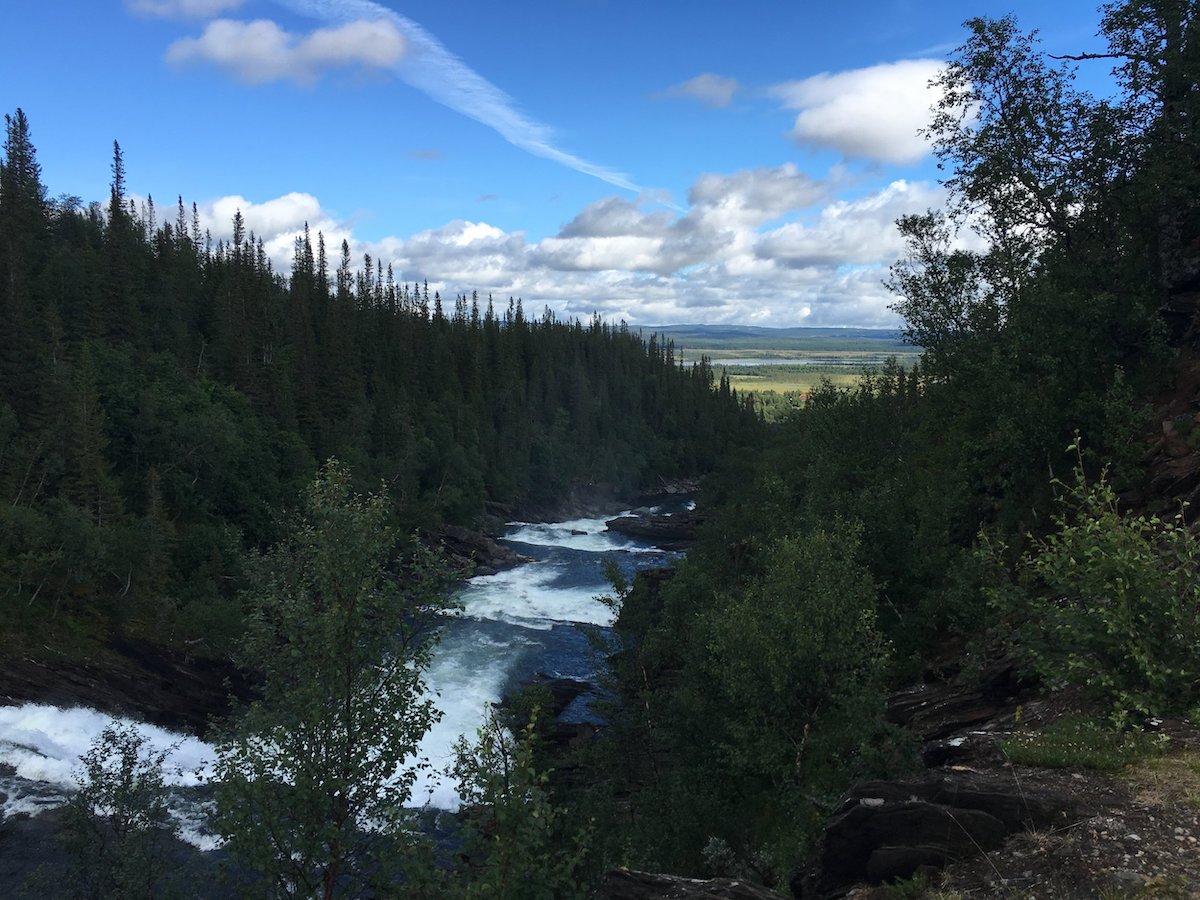 Forests, mountains, rivers, lakes
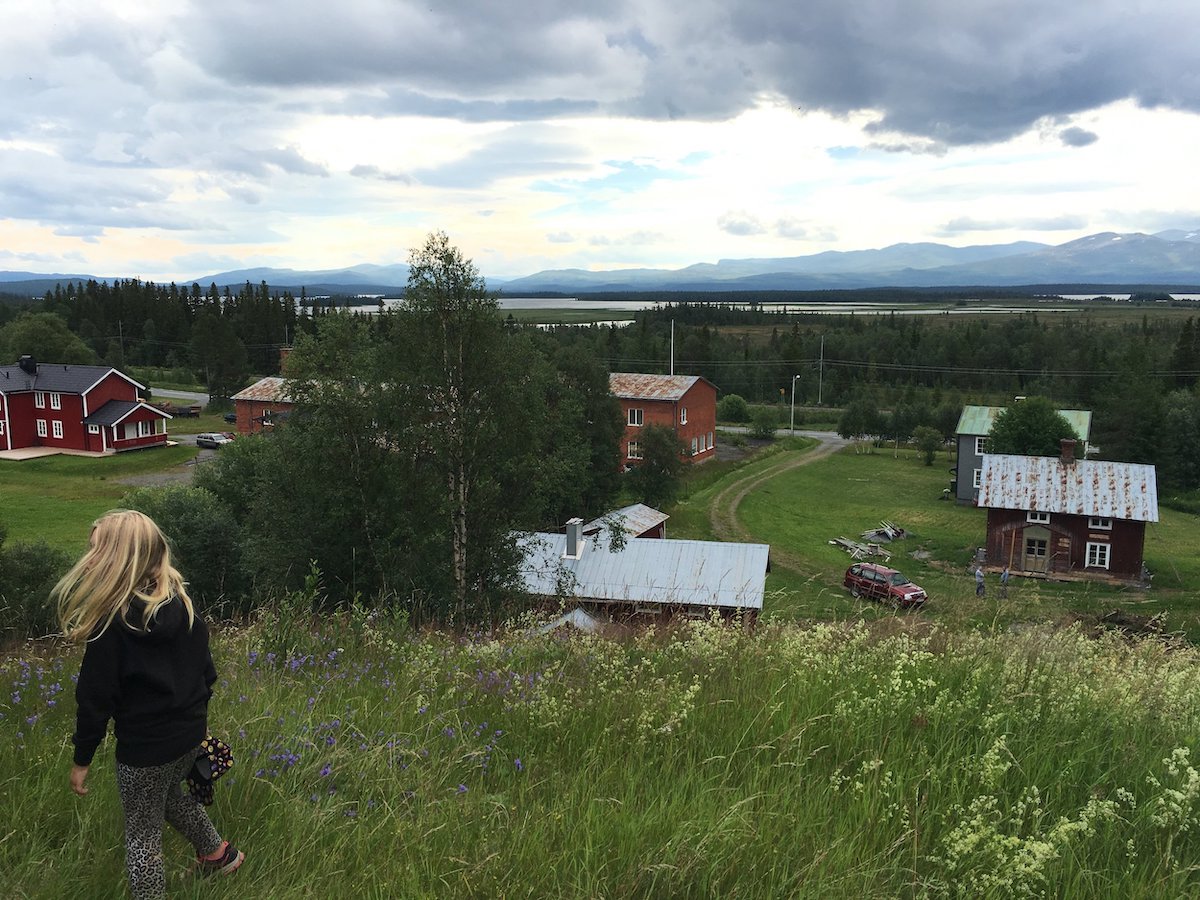 the youngest generation
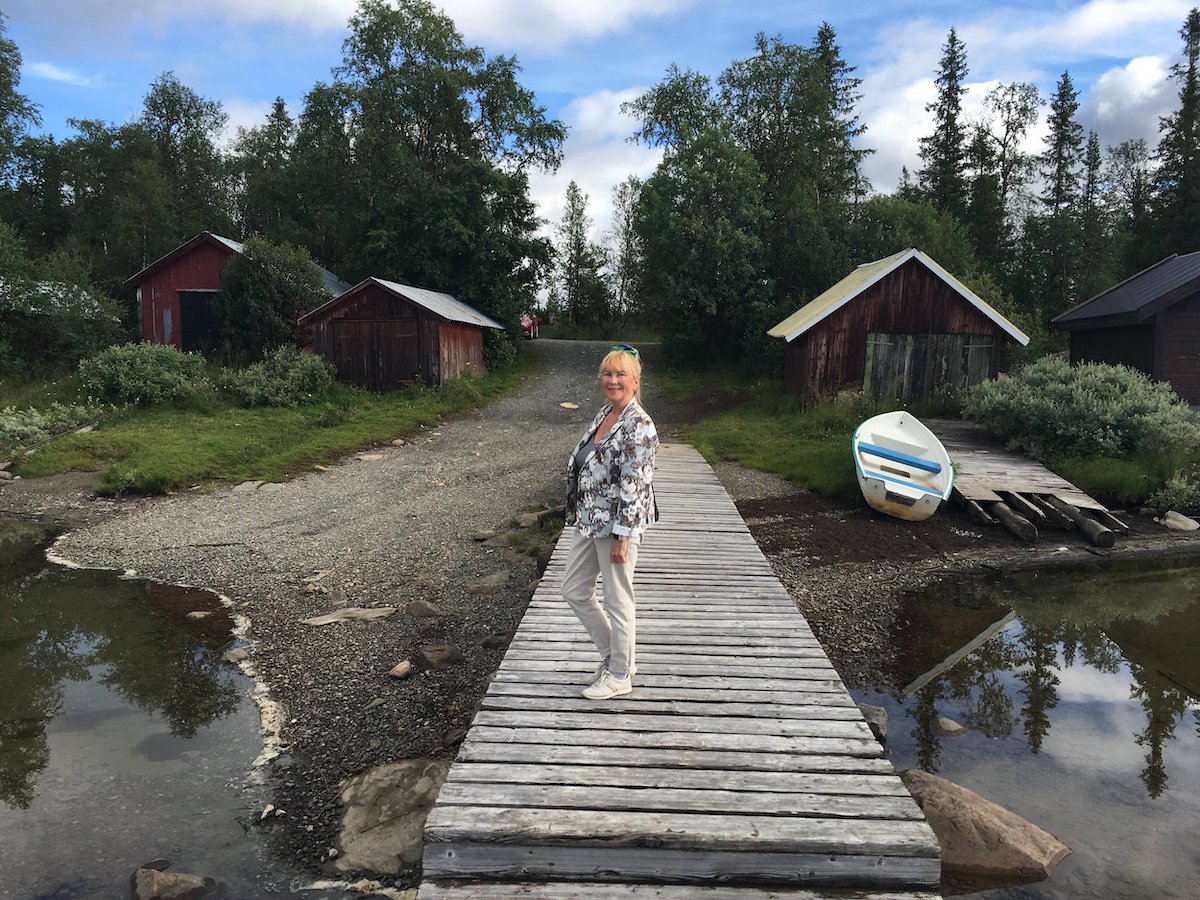 By the lake
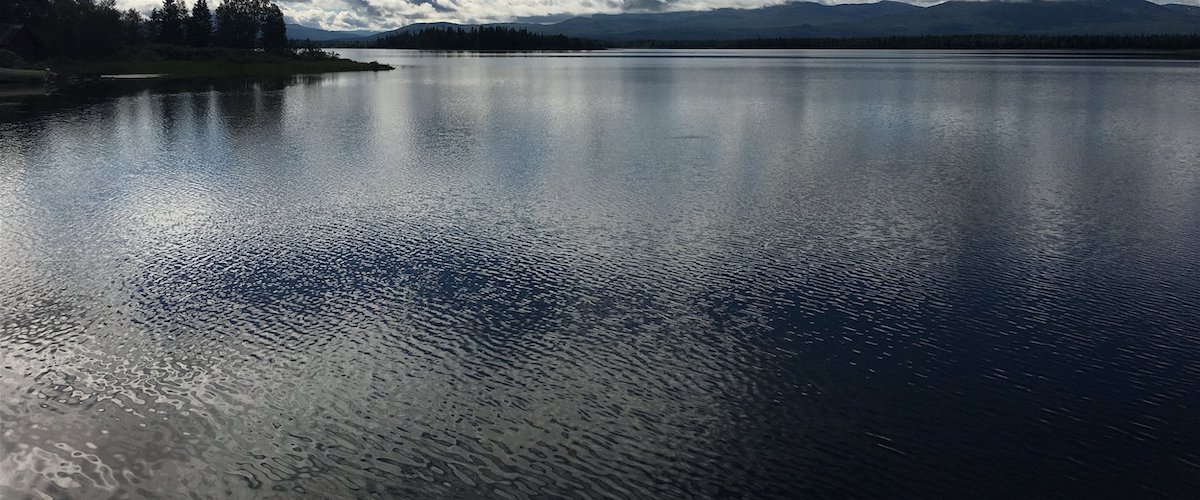
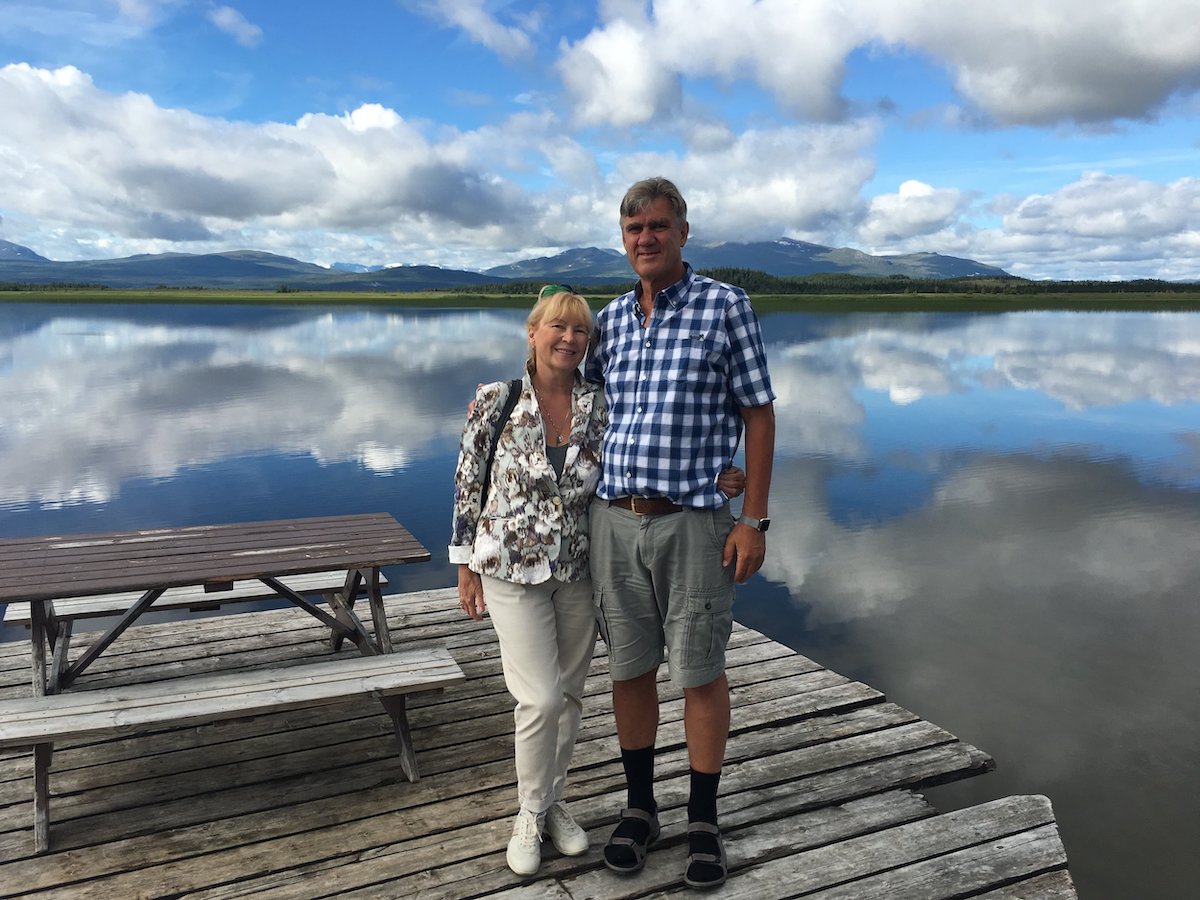 “far distances…”
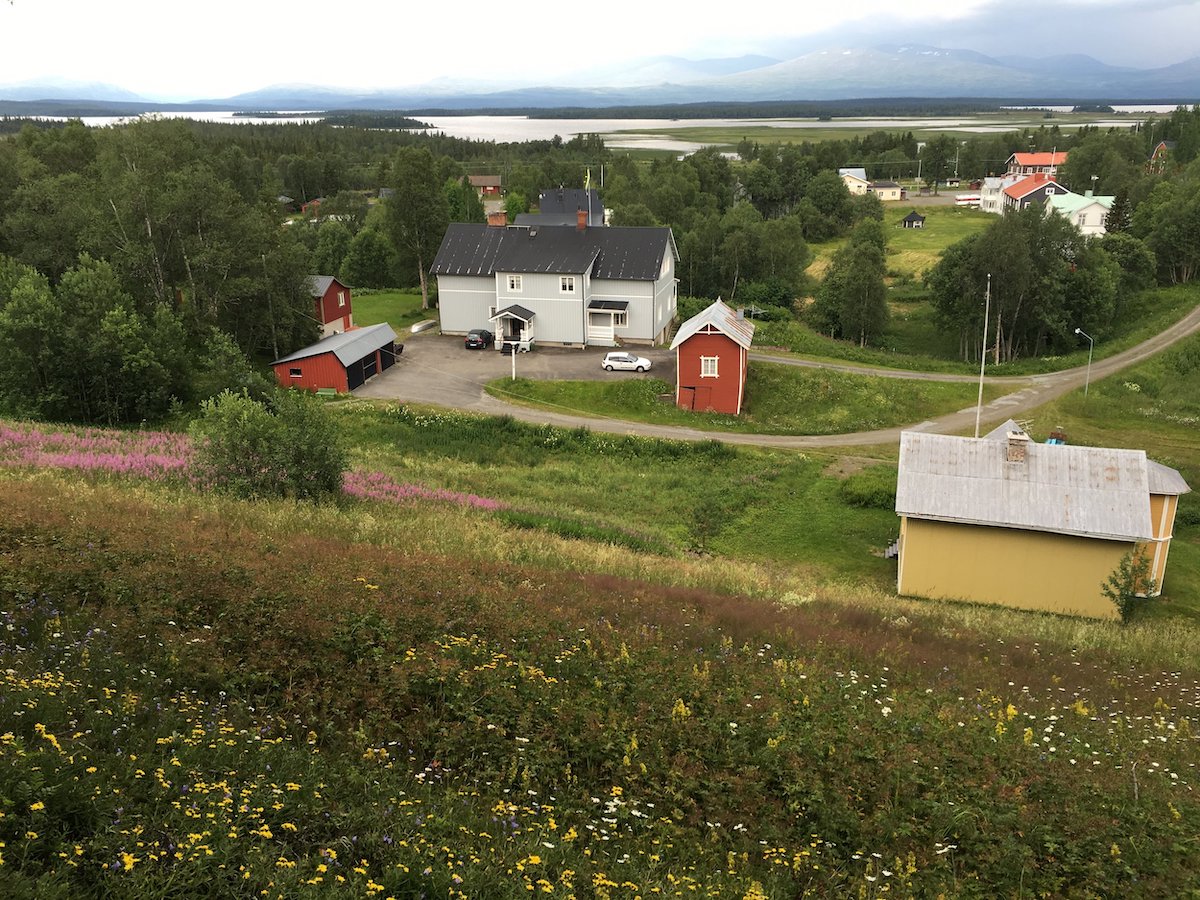 the village of Onn